
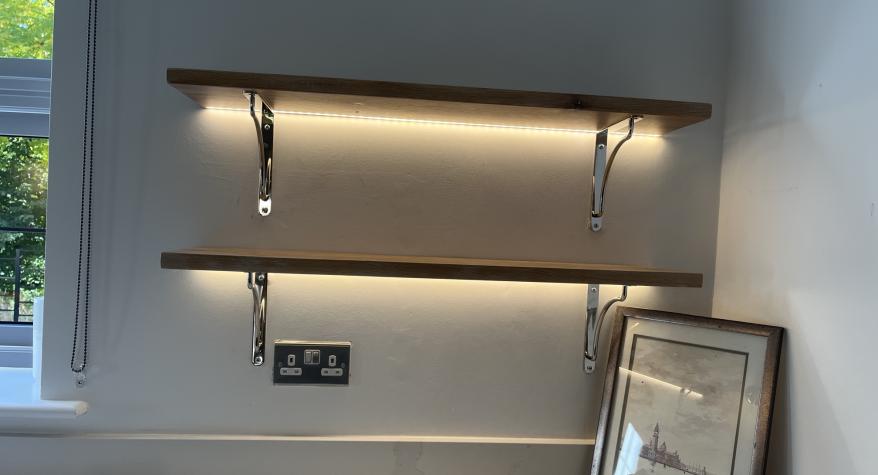
Planning kitchen electrics in Bath requires more thought than most homeowners expect. Cabinets, worktops and appliances often receive the most attention, but the electrical design determines how practical and enjoyable the kitchen will be every day.
From appliance garages and under-cabinet lighting to hidden isolation switches and smart controls, well-planned kitchen electrics in Bath can improve functionality, appearance and future flexibility.
Key Takeaways
- Plan kitchen electrics alongside the kitchen design.
- Include power for appliance garages and future appliances.
- Layer lighting for both function and atmosphere.
- Consider hidden appliance isolation switches for a cleaner finish.
- Install more sockets than you think you'll need.
Appliance Garages Need Power
Many homeowners investing in premium kitchen electrics in Bath choose appliance garages to hide coffee machines, kettles and toasters.
A well-designed appliance garage should include:
- Dedicated sockets
- Adequate ventilation
- Easy access to power
Planning these requirements before installation avoids costly alterations later.
Layer Your Kitchen Lighting
One of the most overlooked aspects of kitchen electrics is lighting design.
Downlights provide general illumination, but they rarely deliver the best result on their own.
Under Cabinet Lighting
Under-cabinet LED lighting improves visibility across worktops and reduces shadows during food preparation.
Shelf Lighting
Integrated shelf lighting highlights decorative items and feature areas while adding depth to the room.
Wall Lights
Wall lights soften the appearance of a kitchen and create a more welcoming atmosphere during the evening.
Plinth Lighting
Plinth lighting provides subtle low-level illumination and can create a floating effect beneath cabinets and islands.
Socket Placement Matters
Well-planned kitchen electrics should include dedicated power for:
- Coffee machines
- Air fryers
- Charging stations
- Smart speakers
- Vacuum chargers
Many modern kitchens now incorporate hidden sockets within cupboards, drawers and islands to reduce visual clutter.
Should Appliance Isolation Switches Be Hidden?
A common discussion during a new kitchen installation in Bath involves appliance isolation switches.
Traditional installations position them above the worktop.
Many homeowners now prefer switches hidden inside adjacent cupboards because they create:
- Cleaner splashbacks
- Fewer visible accessories
- A more premium appearance
The best solution depends on the kitchen layout and accessibility requirements.
Plan for Future Appliances
High-quality kitchens should accommodate future upgrades.
Additional wiring and spare capacity can support:
- Boiling water taps
- Wine coolers
- Integrated coffee machines
- Smart home controls
Installing additional capacity during a renovation costs far less than retrofitting later. Typically we install at least 1 additional 20 amp cable as a 'future proof' or a redundancy.
FAQ
What should I consider when planning my kitchens electrics in Bath?
Focus on appliance power requirements, socket locations, lighting design, appliance isolation switches and future expansion needs before installation begins.
Do appliance garages need dedicated power?
Yes. Appliance garages should include suitable sockets and ventilation.
Are under-cabinet lights worth installing?
Yes. They improve task lighting and provide useful ambient lighting.
Should appliance isolation switches be hidden?
Many premium kitchens hide isolation switches inside cupboards to create a cleaner appearance.
Conclusion
The best kitchen electrics combine practical planning with thoughtful design. Lighting, socket placement, appliance power supplies and isolation switch locations all influence how the kitchen functions.
Addressing these details early creates a cleaner installation, greater convenience and a kitchen that works as well as it looks.
- Log in to post comments