
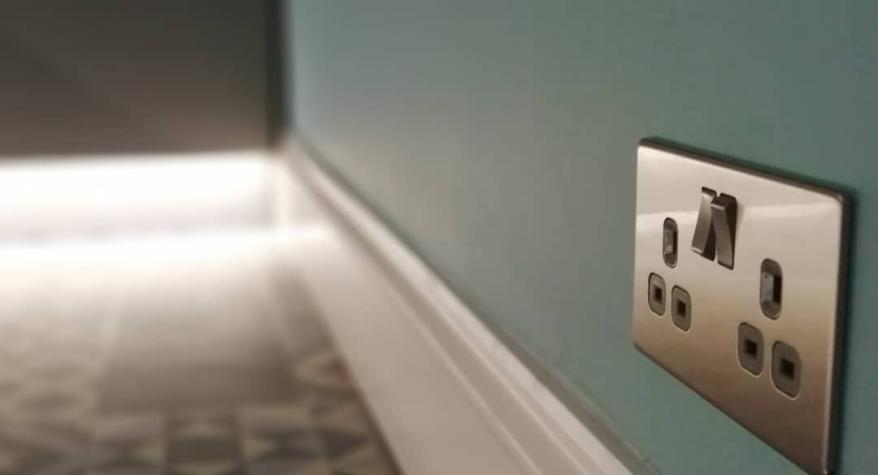
Why Your Existing Wiring Needs Checking Before Adding New Sockets
Adding a few extra kitchen sockets can sound like a small electrical job. Sometimes it is. Sometimes the existing wiring turns a straightforward alteration into something that needs investigation first.
I came across this on a recent kitchen electrical job. The homeowner wanted additional sockets, but testing the existing circuit exposed something called a 'ring on a ring' and has been left like that by previous work. I could not add new sockets to that circuit until the faults had been addressed.
That decision can frustrate a homeowner who expected a quick job, but an electrician needs to know that the circuit supplying a new socket remains safe after the alteration.
Why Existing Kitchen Electrics Need Testing Before Alterations
A new socket connects to an existing electrical circuit. Its condition therefore matters as much as the new socket itself.
Before altering a circuit, I need to establish whether the existing wiring is safe to be extended.
Testing can expose problems that nobody can see. Our test meters pick up things like:
- Loose or poor electrical connections
- Incorrect alterations to a ring final circuit
- Damaged cables or accessories
- Inadequate RCD protection
- Previous electrical work that needs further investigation
A socket that looks fine from the front tells you little about the condition of the connections behind it.
Poor Electrical Joints Can Stop a Simple Socket Installation
Electrical joints need sound connections and suitable methods of termination. A poor joint can create resistance, heat and an unreliable connection.
On this particular kitchen job, previous alterations contained joints that I was not prepared to extend. Adding sockets without addressing them would have meant connecting new work to a circuit with known problems.
The sensible course was to explain the findings to the homeowner and deal with the existing defects before considering further additions.
Signs such as burn marks, buzzing, crackling, hot sockets, blown fuses or repeated circuit breaker trips also deserve investigation. Electrical Safety First advises homeowners not to ignore these warning signs.
RCD Protection for Kitchen Sockets
Modern kitchen electrics also need suitable protective devices.
BS 7671 requires socket outlets rated up to 32 A to have additional protection from a 30 mA residual current device, subject to the requirements and exceptions within the regulations.
An RCD monitors the electrical current flowing through a circuit and can disconnect the supply when it detects certain fault conditions. It forms an important part of protection against electric shock.
Older homes around Corsham, Bath and West Wiltshire can have wiring that has seen several alterations over the years. A kitchen refurbishment can expose layers of electrical work carried out by different people at different times.
Plan Kitchen Electrics Before the Kitchen Goes In
Electrical planning should take place before cabinets, worktops and splashbacks restrict access.
Think about the locations of:
- Worktop sockets
- Ovens and induction hobs
- Dishwasher and washing machine supplies
- Fridge and freezer supplies
- Extractor fans
- Under-cabinet and feature lighting
- Accessible isolation for appliances
A bespoke kitchen deserves the same attention behind the cabinets as it receives on the visible finishes.
An electrician may also recommend further inspection or remedial work if testing uncovers faults. Spending money on stone worktops and cabinetry while ignoring suspect wiring underneath them creates an expensive problem to revisit later.
FAQ: Kitchen Electrics and New Sockets
Can an electrician add sockets to an old kitchen circuit?
Yes, provided inspection and testing show that the existing circuit and protective measures are suitable for the proposed alteration. Existing faults may need correcting first.
Why would an electrician refuse to add a new socket?
An electrician may decline to extend a circuit after finding unsafe connections, damaged wiring or another defect that affects the proposed work. Correcting the problem first prevents new electrical work from relying on a known fault.
Do new kitchen sockets need RCD protection?
BS 7671 requires additional 30 mA RCD protection for socket outlets rated up to 32 A, subject to the provisions of the regulations.
Should kitchen electrics be planned before fitting the kitchen?
Yes. Plan socket positions, appliance supplies, lighting and isolation before cabinets and worktops go in. Early planning gives the electrician better access and reduces the risk of costly alterations after installation.
Who should carry out kitchen electrical work?
Use an electrician who can inspect, test and certify the work as required. Electrical work in homes must meet the electrical safety requirements of the Building Regulations in England.
A request for “a couple of extra sockets” can reveal far more once testing starts. Good electrical work includes knowing when it is safe to add something and when the existing kitchen wiring needs attention first.
- Log in to post comments