Fuseboard Upgrades in Bath: Why an EICR Before Replacement Makes Sense
By Haydon Turner-White, Watt & Co. Electrical
A fuseboard upgrade can make a Bath home safer, more practical, and better suited to modern electrical demand. Many older properties still rely on dated fuse boxes, limited RCD protection, or consumer units that no longer suit kitchens, garden rooms, EV chargers, induction hobs, and home offices.
An Electrical Installation Condition Report, known as an EICR, gives a clear picture of the existing wiring (providing they're done correctly) before a new consumer unit goes in. It helps identify faults, poor alterations, damaged cables, overloaded circuits, and earthing issues that could affect the upgrade.
For homeowners in Bath, especially in period homes, townhouses, cottages, and renovated properties, an EICR before a fuseboard upgrade often prevents cost surprises and gives the electrician better information before work starts.
What Is a Fuseboard Upgrade?
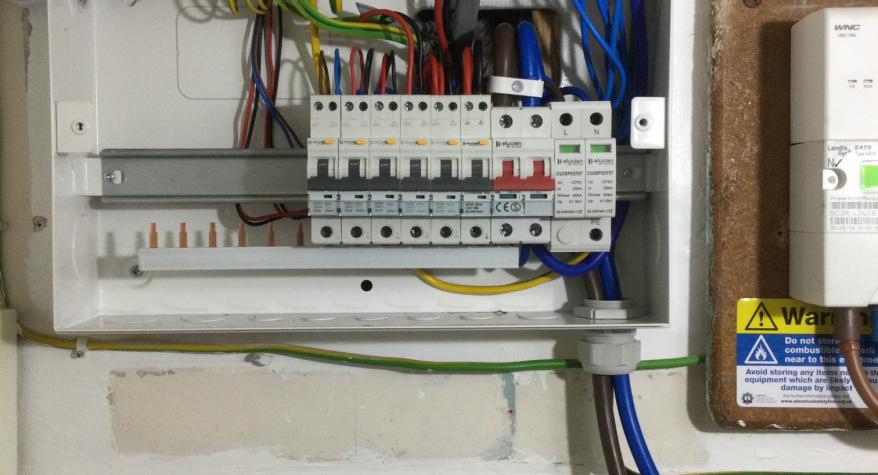
A fuseboard upgrade means replacing an older fuse box or consumer unit with a modern consumer unit that provides improved circuit protection.
Modern consumer units often include:
RCD protection
RCBOs for individual circuit protection
Surge protection
Clear circuit labelling
Better fault separation
Safer containment and construction
Electrical Safety First explains that an EICR records inspection and test results, identifies damage or wear, highlights parts of the installation that do not meet current Wiring Regulations, and helps find risks linked to electric shock or overheating.
Why Bath Homes Often Need Extra Care
Bath has a large mix of Georgian homes, Victorian terraces, converted flats, stone cottages, and extended family houses. Many have had electrical changes across several decades.
Common issues include:
Old lighting circuits without an earth
DIY alterations
Mixed cable ages
Poorly labelled fuseboards
Overloaded kitchen circuits
Outbuildings added without clear certification
Previous work hidden behind new finishes
A new consumer unit can only protect the circuits connected to it. If those circuits contain faults, the new board may trip from day one. An EICR reduces that risk by testing the installation before the upgrade.
Why an EICR Before a Fuseboard Upgrade Is a Good Idea
1. It Finds Faults Before the New Board Goes In
Modern consumer units detect faults that older fuseboards may tolerate. That sounds useful, and it is, but it can expose hidden problems straight after installation.
An EICR can identify:
Insulation resistance faults
Borrowed neutrals
Incorrect polarity
Weak earthing arrangements
Damaged accessories
Circuit overload risks
Poor DIY additions
Finding these before the upgrade allows proper planning. The alternative can mean installing the new board, then spending extra time tracing faults that only appear once modern protection starts working.
2. It Helps Price the Job More Accurately
A fuseboard upgrade quote without testing can miss problems inside the existing installation. The board may look straightforward, but the wiring may tell a different story.
An EICR gives the electrician evidence. It shows which circuits can stay, which need remedial work, and whether the installation needs attention before the consumer unit replacement.
That helps homeowners avoid vague allowances and unexpected extras.
3. It Shows Whether the Upgrade Is the Right Solution
Some homeowners ask for a fuseboard upgrade because the existing board looks old. Age alone does not always mean replacement needs to happen. Electrical Safety First says a consumer unit does not need replacement just because it lacks RCD protection, and a satisfactory EICR can mean replacement is not required.
A good electrician should avoid selling unnecessary work. An EICR helps decide whether the home needs a new board, targeted repairs, or a wider plan for ageing wiring.
4. It Supports Safer Design
A modern consumer unit needs correct circuit design. The electrician must consider circuit loads, RCD selection, fault protection, earthing, bonding, surge protection, and future use.
The IET confirms that BS 7671:2018+A4:2026 has now been published, while BS 7671:2018+A3:2024 remains valid until 15 October 2026. That makes competent design and current regulation knowledge essential.
An EICR provides test results that guide the upgrade instead of relying on assumptions.
Fuseboard Upgrades and Part P in England
Replacing a consumer unit in a dwelling counts as notifiable electrical work under Part P of the Building Regulations in England. The IET lists replacement of a consumer unit as notifiable work.
For a homeowner, that means the work should come with the correct electrical certification and Building Regulations notification. Keep these documents with the property records. Solicitors, buyers, surveyors, and insurers may ask for them later.
Common Mistakes to Avoid
Booking a Fuseboard Upgrade Without Testing
A visual look at the fuseboard cannot confirm circuit condition. Testing reveals faults hidden inside cables, accessories, junction boxes, and previous alterations.
Choosing the Cheapest Board Replacement
A low price can miss important details such as surge protection, circuit separation, labelling, remedial fault finding, certification, and notification.
Ignoring Old Lighting Circuits
Older lighting circuits can cause problems during upgrades, especially if they lack a circuit protective conductor. An EICR checks this before the new consumer unit goes in.
Assuming a New Board Fixes Old Wiring
A consumer unit improves protection. It does not repair damaged cables or poor workmanship elsewhere in the property.
Best Approach for Homeowners in Bath
For most Bath homes, the sensible route is:
Arrange an EICR before the fuseboard upgrade.
Review the report and any coded observations.
Decide which remedial work needs doing first.
Choose a consumer unit design that suits the property.
Complete the upgrade, testing, certification, and notification.
Keep all documents safely for future sale, insurance, or renovation work.
This approach suits homeowners planning a kitchen, utility room, extension, EV charger, garden office, or higher value renovation. It gives the electrical installation a proper assessment before money goes into visible finishes.
FAQ
Do I need an EICR before a fuseboard upgrade?
You do not always need one by law, but an EICR before a fuseboard upgrade gives a clear view of the existing wiring. It helps find faults, plan remedial work, and avoid surprises during installation.
Can a new fuseboard trip because of old wiring?
Yes. Modern RCDs and RCBOs can detect faults that older fuseboards did not respond to. Faulty appliances, damaged cables, borrowed neutrals, and poor DIY work can cause tripping after an upgrade.
Is a fuseboard upgrade notifiable in Bath?
Yes. Bath sits in England, and replacing a domestic consumer unit counts as notifiable work under Part P. The electrician should provide certification and arrange Building Regulations notification.
Does an old fuseboard mean my house needs rewiring?
An old fuseboard does not prove the house needs rewiring. An EICR tests the circuits and shows whether the wiring remains safe, needs repairs, or needs replacement.
How long does an EICR take before a fuseboard upgrade?
Most domestic EICRs take several hours, depending on property size, access, number of circuits, and condition. Larger Bath homes, older properties, and converted flats can take longer.
Should I upgrade my fuseboard before fitting a new kitchen?
Arrange an EICR before kitchen electrical work starts. Kitchens often need extra sockets, appliance circuits, induction hob supplies, improved RCD protection, and better load planning. Testing first protects the budget and the finished kitchen.
- Log in to post comments